
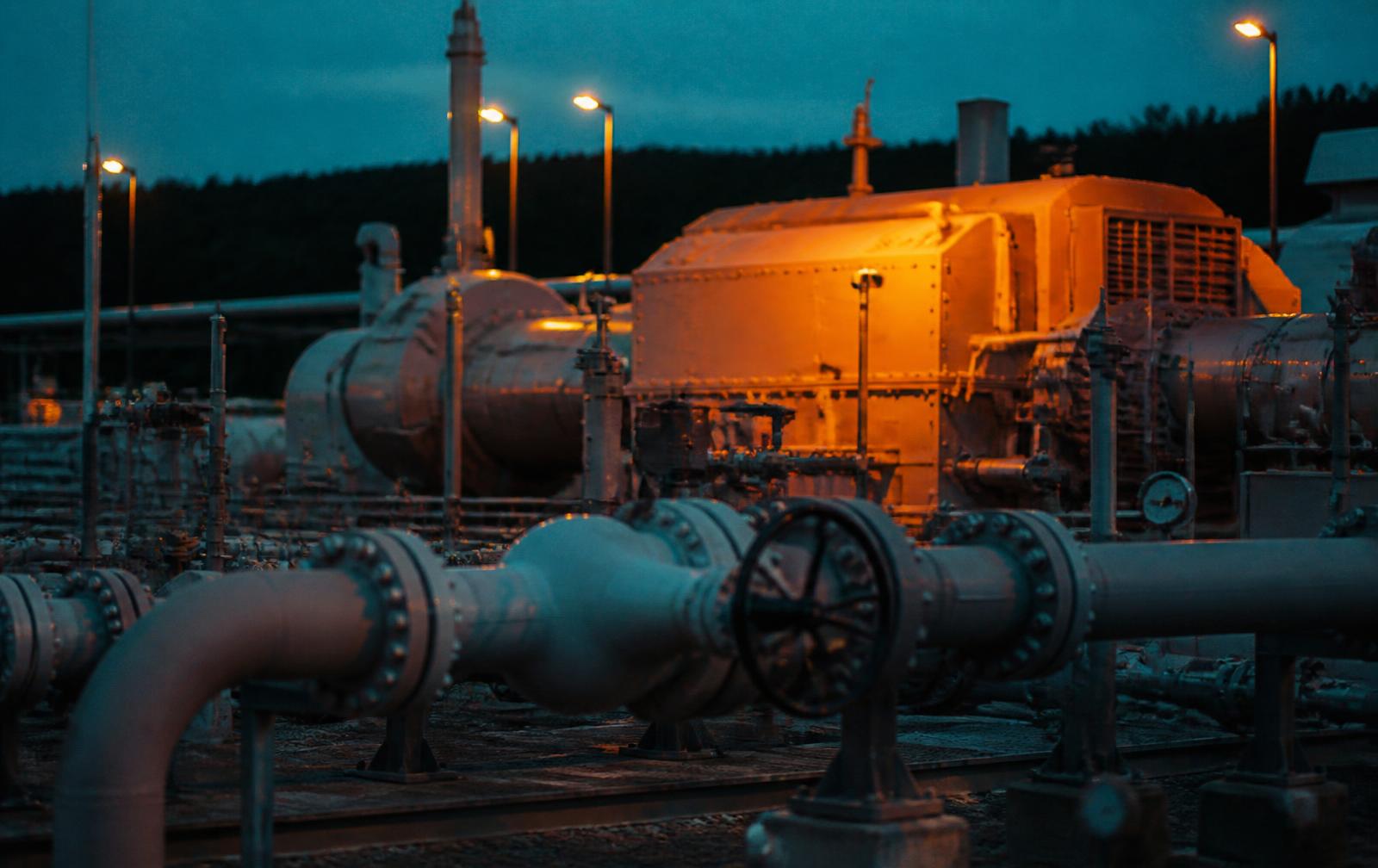
AI that understands the physical world it operates in.
Ridgeline AI extends the governed operational layer to sensing, autonomy, and edge inference - so perception from the physical environment becomes context an operator can act on, under the same lineage, policy, and approval model.
What machines perceive. What operators know. What the mission allows.
perceive
sensors at the work
interpret
inference on site
decide
bounded by policy
prove
sensor frame to signature
Watch a single frame become an authorized action.
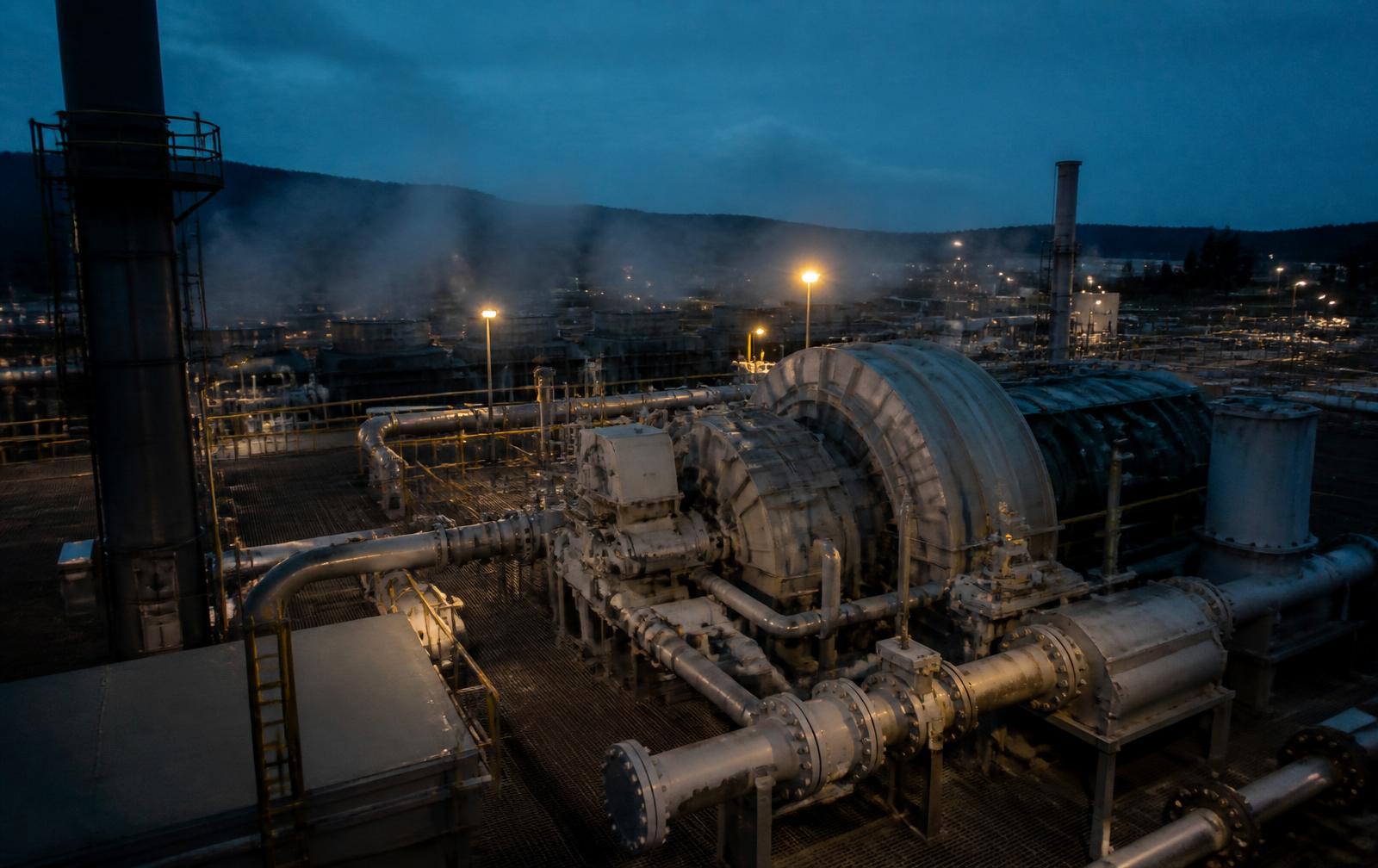
Streaming 30 fps from the compressor yard.
vibration
7.4 mm/s
case temp
94 °C
frames
30 fps
latency
38 ms
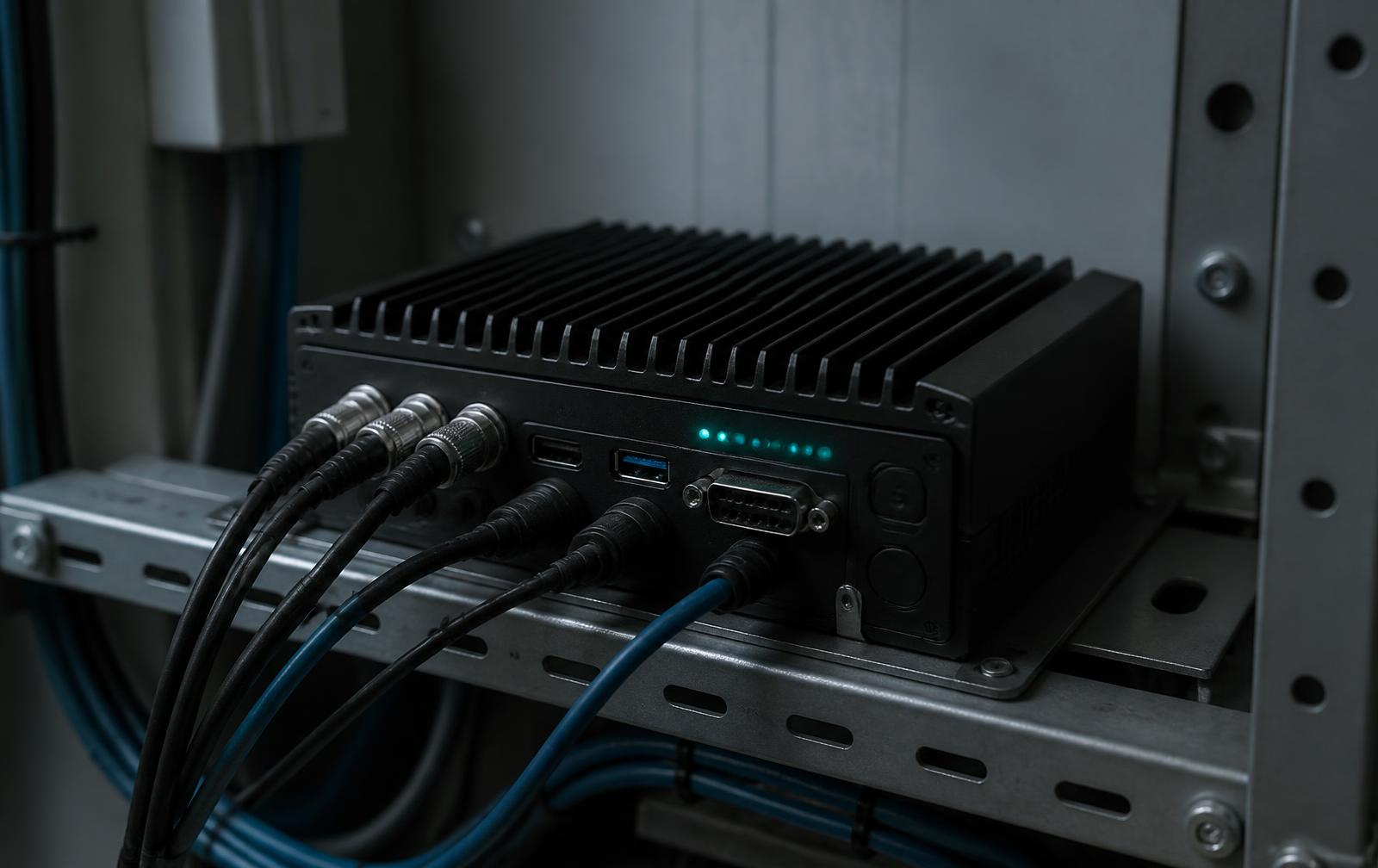
interpret · at the edge
Signal becomes evidence before it leaves the site.
Detections resolve against the asset, the crew, and the procedure - then carry the frame, sensor, model version, and confidence that produced them.
- 01Frame capturedsite cam 04 · 30 fps
- 02Detection resolvedCompressor A-17
- 03Recommendation raisedoperator review
- 04Action authorizednamed human
sensor
site cam 04 · thermal pair
model
vision v2.4.1
lineage
frame → signature
authority
named operator
From sensor frame to signed decision.
Physical AI is not a separate product. It is the same operational layer, extended down to the sensors and out to the edge.
- 01
Perceive
Cameras, lidar, thermal, acoustic, vibration, GNSS, and OT/ICS telemetry captured where the work happens.
- Fixed and mobile sensing
- Autonomous capture
- OT / ICS signal
- Inspection media
- 02
Interpret
- 03
Model
- 04
Decide
- 05
Act & prove
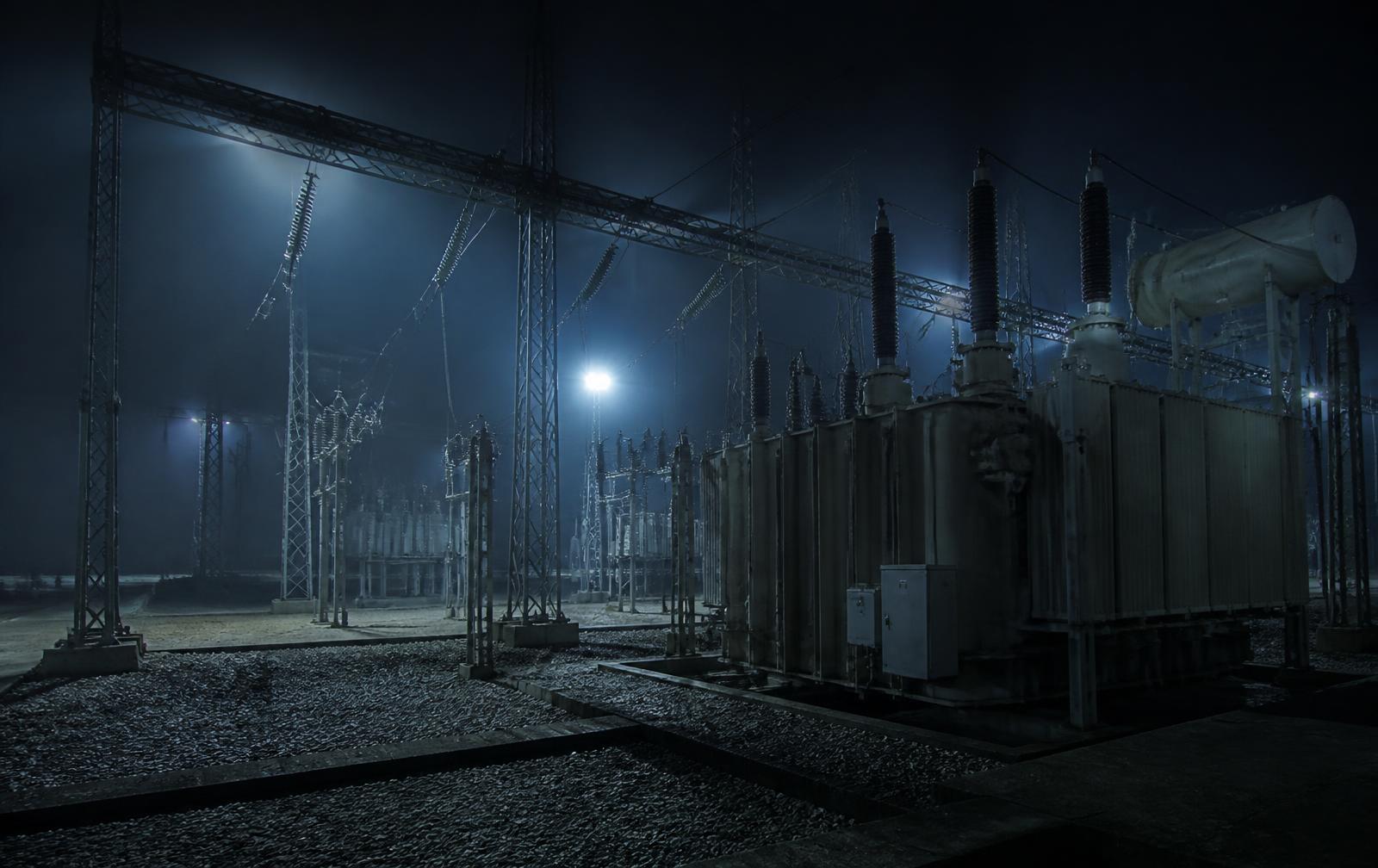
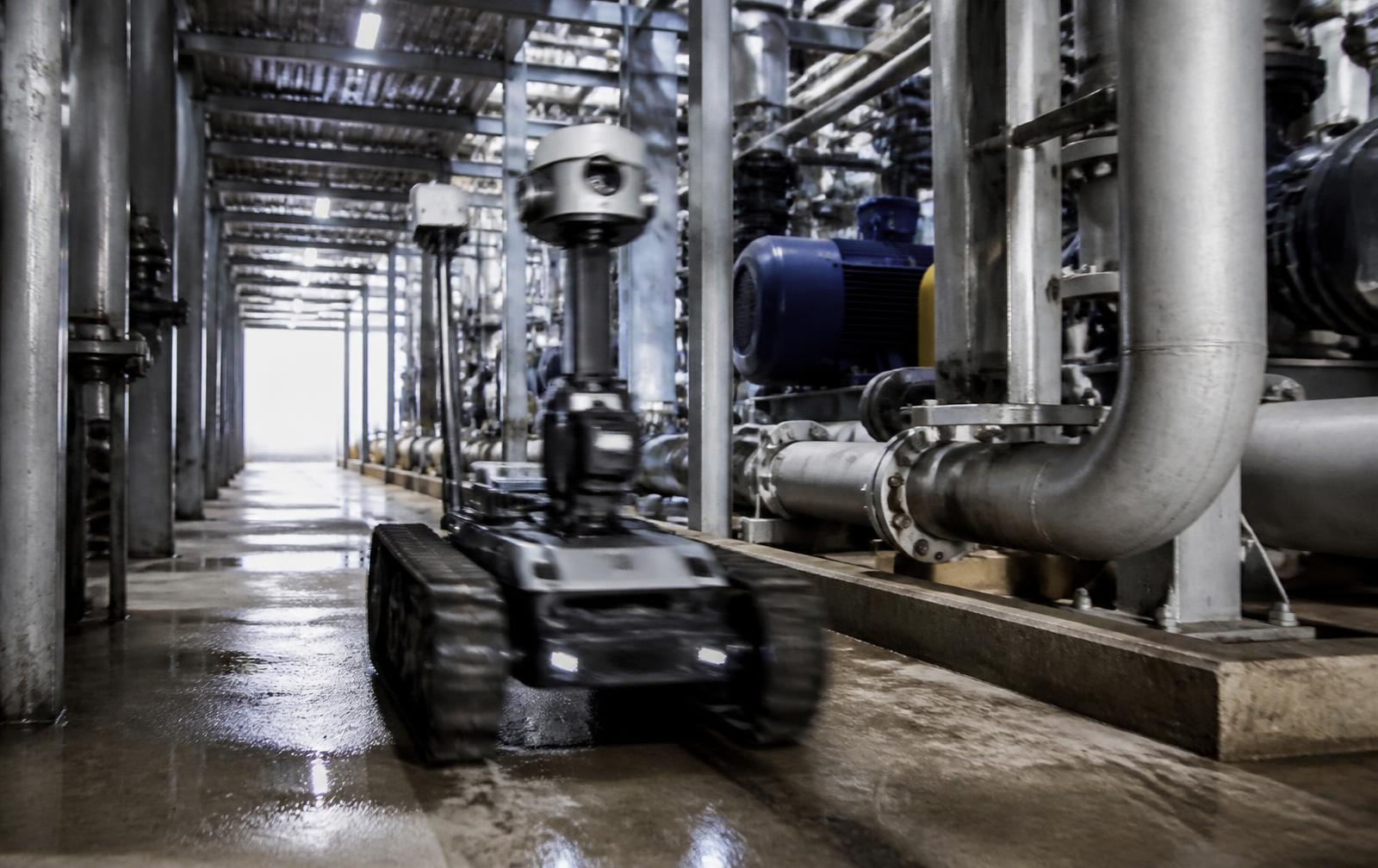

sensors
fixed + mobile
cadence
30 fps
signal
OT / ICS
Cameras, lidar, thermal, acoustic, vibration, GNSS, and OT/ICS telemetry captured where the work happens.
- Fixed and mobile sensing
- Autonomous capture
- OT / ICS signal
- Inspection media
sensors
fixed + mobile
cadence
30 fps
signal
OT / ICS
Governance wraps every layer · perception is evidence, action is authorized
What the physical layer does.
Built for the site, not the datacenter.
Software that assumes hardware exists.
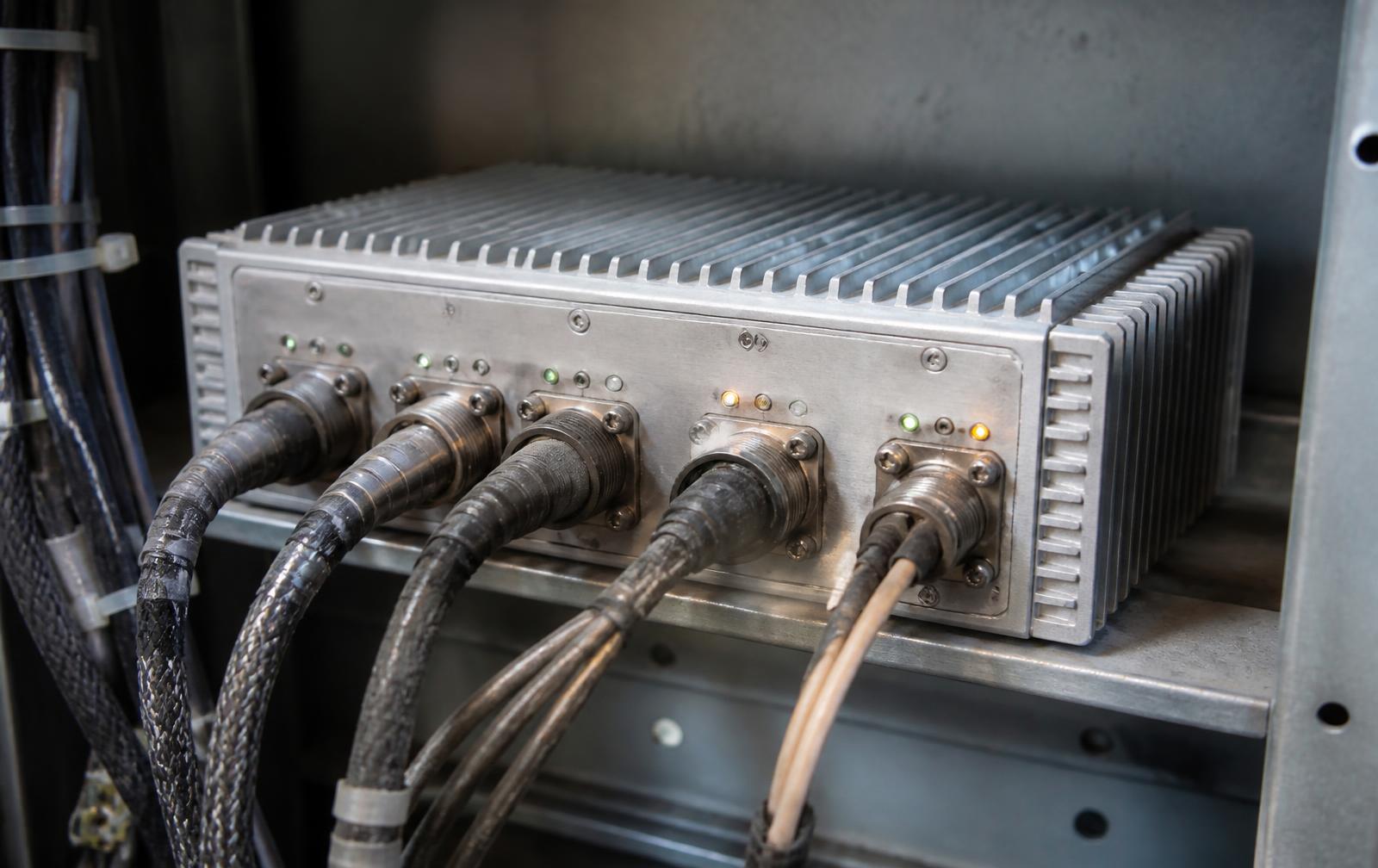
Ridgeline AI sits inside the Element 29 ecosystem. E29X Technologies covers hardware-enabled AI - sensing, autonomy, and edge compute - so the physical layer is engineered by people who have fielded instrumentation in regulated industrial and defense environments, not adapted from a cloud product.
Element 29 is an NVIDIA partner. Accelerated inference and computer vision run on NVIDIA-class edge and GPU infrastructure where latency, bandwidth, or sensitivity require processing to stay on site.
 Partner · via Element 29
Sensing
Fixed, mobile, and autonomous capture systems.
Edge compute
Site-side inference sized to the environment.
Integration
OT/ICS and controls engineering, three decades deep.
Federal path
Delivery under GSA MAS 47QRAA26D0058, held by Element 29 LLC.
Autonomy is granted. Never assumed.
Physical consequences raise the bar. The governance model that applies to a recommendation applies to a robot, a dispatch, and an isolation step.
Perception is evidence, not verdict
Every detection carries the frame, the sensor, the model version, and the confidence that produced it.
Physical action requires authorization
Systems are designed so AI proposes physical work and a named human authorizes it.
Bounded operating envelopes
Autonomy is scoped to a defined area, task, and condition set - and stops at the edge of that envelope.
Safety cases stay human-owned
Safety-critical determinations remain with the qualified people and processes that already own them.
Full lineage from sensor to signature
The path from raw capture to approved action is reconstructable and reviewable after the fact.

Forward deployed, because physical systems are site-specific.
Sensors, plants, vehicles, and sites do not generalize. Small forward deployed engineering pods embed on-site, model the environment with the people who operate it, and stay through production hardening.
Forward deployed engineeringWhat operators ask about physical AI.
What is physical AI?
Physical AI is machine intelligence applied to the physical world rather than to documents and records: sensors that perceive a site, models that interpret what they see, and bounded actions taken on equipment, vehicles, or crews. Ridgeline AI extends its governed operational layer to that domain, so a sensor frame and an authorized action live on the same audit trail.
Does inference run on site or in the cloud?
On site wherever latency, bandwidth, sensitivity, or connectivity require it. Edge compute is sized to the environment, and reconciliation with the wider model happens when a link is available. Cloud is an option, not an assumption.
Can Ridgeline AI control robots or industrial equipment?
Actions with physical consequence are granted, never assumed. Each action class is bounded by policy, requires the authorization level the customer defines, and is recorded from the originating sensor frame through the model version to the approving signature.
What hardware does the physical layer run on?
Sensing, autonomy, and edge compute come through E29X Technologies inside the Element 29 ecosystem, and accelerated inference runs on NVIDIA-class edge and GPU infrastructure. Element 29 is an NVIDIA partner.
How is physical AI deployed?
Forward deployed. Sensors, plants, vehicles, and sites do not generalize, so small engineering pods embed on site, model the environment with the people who operate it, and stay through production hardening.
Is there a federal contract path?
Yes. Delivery is available under GSA MAS contract 47QRAA26D0058, held by Element 29 LLC.